
Questions
Why Is My Dog Limping But Not Crying? Vet Answers
Dogs often limp without crying because they instinctively hide pain. It could be a minor strain, a foreign object, or a serious issue like a torn ligament. Watch for swelling, refusal to bear weight, or changes in appetite, and call your vet if concerned.
Why Do Dogs Limp Without Crying?
Dogs are masters at hiding pain—it's a survival instinct from their wild ancestors. A limp without crying doesn't mean your dog isn't hurting; it often means they're stoically enduring it. Common causes include minor sprains, a thorn in the paw, arthritis, or even a broken bone that doesn't cause constant vocalization.
- Check the paw—Look for cuts, foreign objects like burrs or glass, or cracked pads.
- Feel for heat or swelling—Gently run your hands down the leg; heat or puffiness suggests inflammation.
- Watch their behavior—If they still eat, play, and wag their tail, the issue may be mild, but don't ignore it.
- Note when it happens—Is it worse after rest or exercise? That can hint at arthritis or a ligament issue.
- Call your vet—Even a subtle limp warrants a professional check, especially if it persists beyond a day.
If your dog is limping but not crying, it's still worth a visit. At Aborn Pet Hospital, we've seen countless Fremont dogs with quiet limps that turned out to be treatable conditions—from a simple nail injury to early joint disease.
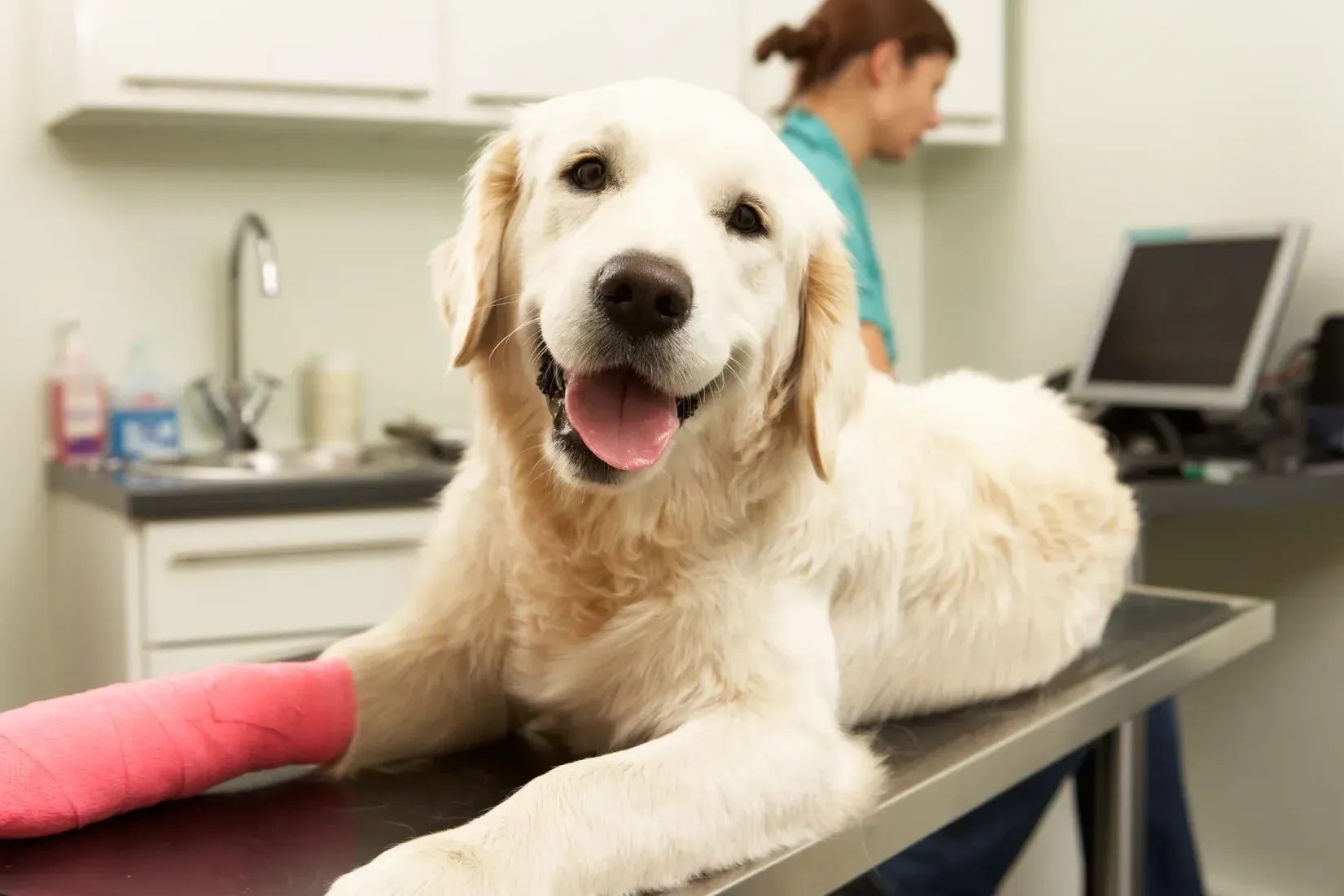
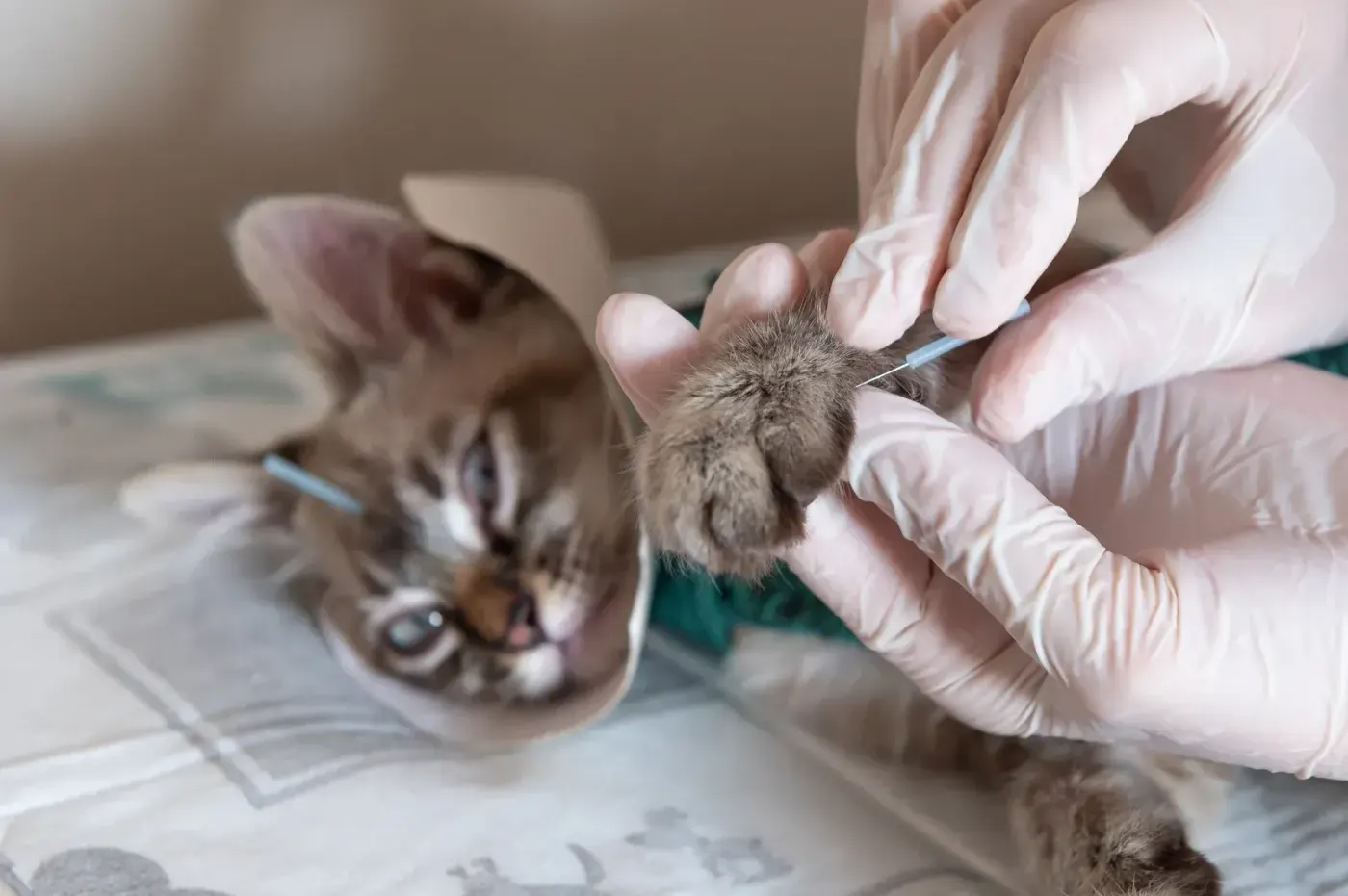
When Is Limping an Emergency?
Not every limp is an emergency, but some signs demand immediate care. If your dog is limping but not crying, you still need to assess the severity.
A good fit for urgent care if…
- Sudden onset—The limp appeared after trauma like a fall or car accident.
- Swelling or deformity—The leg looks bent, swollen, or the bone seems out of place.
- Open wound—A cut or puncture is visible, especially with bleeding.
- Refuses to bear weight—They won't put any weight on the leg at all.
- Other symptoms—Fever, lethargy, or loss of appetite accompany the limp.
Consider waiting if…
- Mild limp—They still use the leg but favor it slightly.
- No other signs—They eat, drink, and act normally otherwise.
- Improves with rest—The limp gets better after a day of quiet.
When in doubt, call us at (510) 656-0223. We're open Mon–Fri 8 AM–6 PM and Sat 8 AM–5 PM. If it's after hours, you can seek emergency care at a local 24-hour facility. For more on emergencies, see [[is-there-a-911-but-for-pets-in-the-us|our guide to pet emergencies]].
What to Do at Home for a Limping Dog
If your dog is limping but not crying, you can take a few safe steps at home before calling us. These actions help you assess the situation and keep your dog comfortable without making things worse.
- Check the paw – Gently examine the paw pads, toes, and nails for cuts, thorns, or debris. Remove any visible object only if it comes out easily.
- Look for swelling or heat – Run your hand along the leg from paw to shoulder. Compare to the other leg for any swelling, warmth, or tenderness.
- Restrict activity – Keep your dog calm and limit running, jumping, or stairs. Short leash walks only for bathroom breaks.
- Apply a cold compress – If you see swelling, wrap an ice pack in a towel and hold it on the area for 10–15 minutes. Never apply ice directly to the skin.
- Do not give human pain meds – Medications like ibuprofen or acetaminophen are toxic to dogs. Never give anything without veterinary approval.
- Monitor for 24 hours – If the limp improves and your dog is eating and acting normal, you can wait and watch. If it worsens or doesn't resolve, call us to schedule an exam.
What to Expect at the Vet for Limping
When you bring your limping dog to our Fremont hospital, we start with a physical exam to identify the source of the limp. From there, we may recommend diagnostics depending on what we find.
| Factor | Why It Matters | Typical Range |
|---|---|---|
| Office visit | Covers the exam and initial assessment | Varies; ask for a quote |
| Diagnostics (X-rays, bloodwork) | Helps rule out fractures, joint issues, or infection | Varies by what's needed |
| Treatment (medication, splint, etc.) | Depends on the cause and severity | Varies; we'll discuss options |
We'll always explain the costs and get your approval before proceeding. If cost is a concern, we offer CareCredit and can discuss payment options. For more on managing vet expenses, see our guide on paying for vet care.
For details on services and visits, see the main page about veterinarian fremont ca.
Directions to our veterinarian in Fremont, CA from Mission San José
Start at Mission San José and head to Aborn Pet Hospital at 40951 Grimmer Blvd, Fremont, CA 94538.
Sources
Frequently asked questions
Can a dog limp from arthritis without crying?
Yes, arthritis is a common cause of limping in older dogs, and they often don't cry out. The pain is chronic and dull, so they may just favor the leg. Anti-inflammatory medications and supplements can help manage it.
Should I wait 24 hours before calling the vet?
If the limp is mild and your dog is otherwise fine, you can rest them for 24 hours. But if it worsens, or if there's swelling, an open wound, or they stop eating, call us right away.
What if my dog is limping but still playful?
A dog can be playful despite a limp, especially if the pain is mild or intermittent. Still, it's worth a check-up because even minor limps can signal developing joint problems or injuries that need treatment.
Also asked as
- Why is my dog limping but not in pain?
- My dog is limping but acting fine—should I worry?
- Why does my dog limp but not yelp?