
Questions
What to Do When You Have Two Dogs and Have to Put One Down: A Guide for Fremont
When you have two dogs and must put one down, decide whether the surviving dog should be present based on their temperament and bond, prepare them with familiar scents and routines, and expect grief signs like loss of appetite or searching. Support them with extra attention and, if needed, guidance from your vet or a pet grief counselor.
Should Your Other Dog Be Present During Euthanasia? Pros and Cons
Deciding whether your surviving dog should witness the euthanasia is deeply personal. There's no right answer—only what's best for each dog. Consider their temperament, their bond with the dying dog, and how they handle stress.
| Option | Pros | Cons | Best For |
|---|---|---|---|
| Present during euthanasia | Allows the surviving dog to understand the loss, reducing confusion; provides closure; they can say goodbye in their own way. | May be distressing if the dog is anxious or reactive; could cause fear of the vet or medical settings. | Dogs that are calm, deeply bonded, and show curiosity about the dying dog's condition. |
| Not present | Avoids potential trauma; keeps the surviving dog in a familiar, stress-free environment. | May lead to searching or confusion if they don't understand why the companion is gone. | Dogs that are highly anxious, aggressive, or easily overwhelmed by change. |
| Present for a brief goodbye before euthanasia | Allows a natural interaction without the medical procedure; reduces stress of watching the final moments. | May still be confusing if the dog doesn't see the body afterward. | Most dogs—this is a common compromise. |
| Let the surviving dog see the body after euthanasia | Provides clear closure; they can sniff and understand the companion has passed. | Some dogs may become distressed or fixated. | Dogs that are curious and have a strong bond; recommended by many vets. |
If you're unsure, talk to your veterinarian. At Aborn Pet Hospital in Fremont, we can help you weigh the options based on your dogs' personalities. Some owners find that letting the surviving dog see the body—even briefly—helps them grieve more naturally.
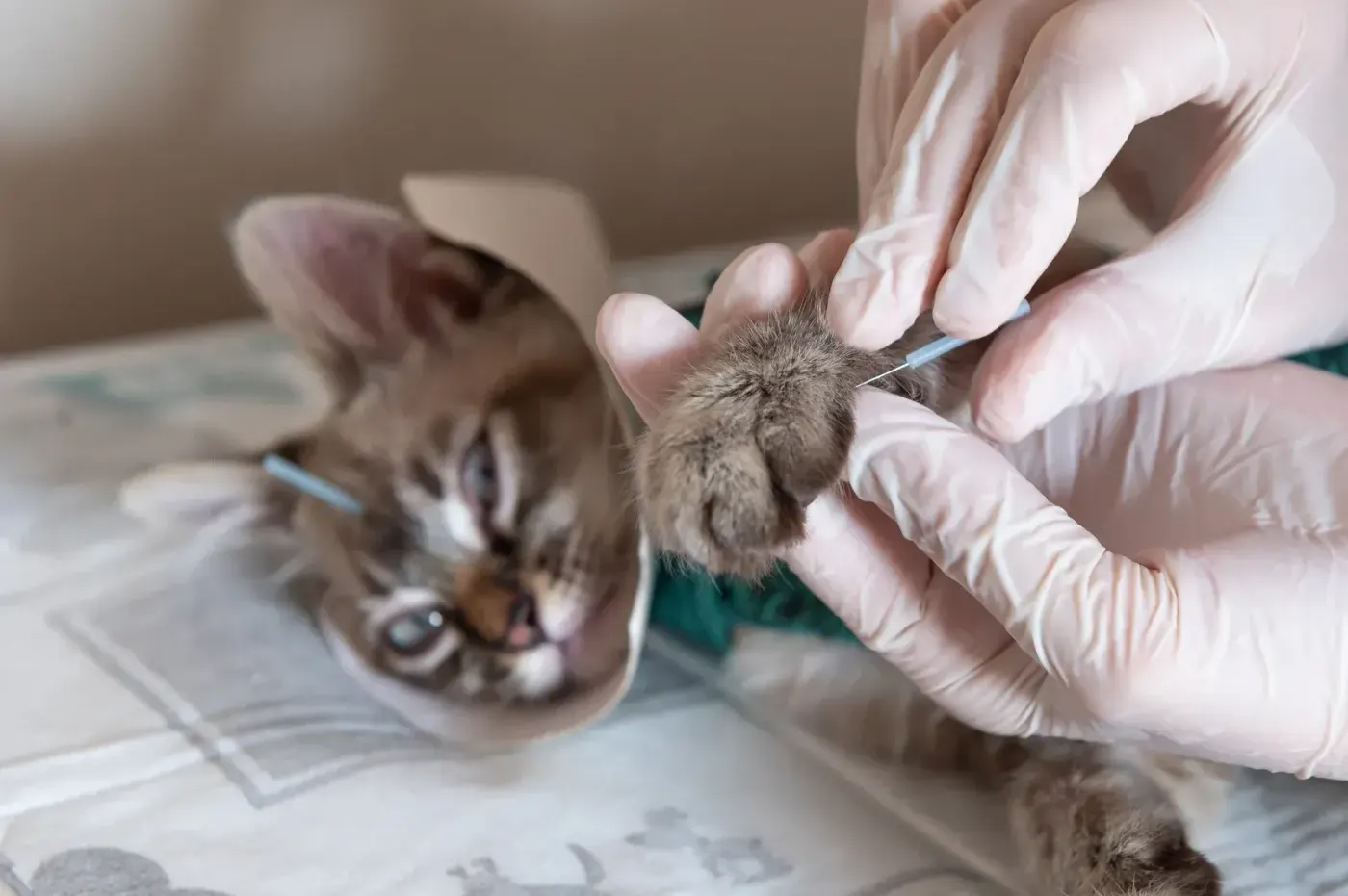
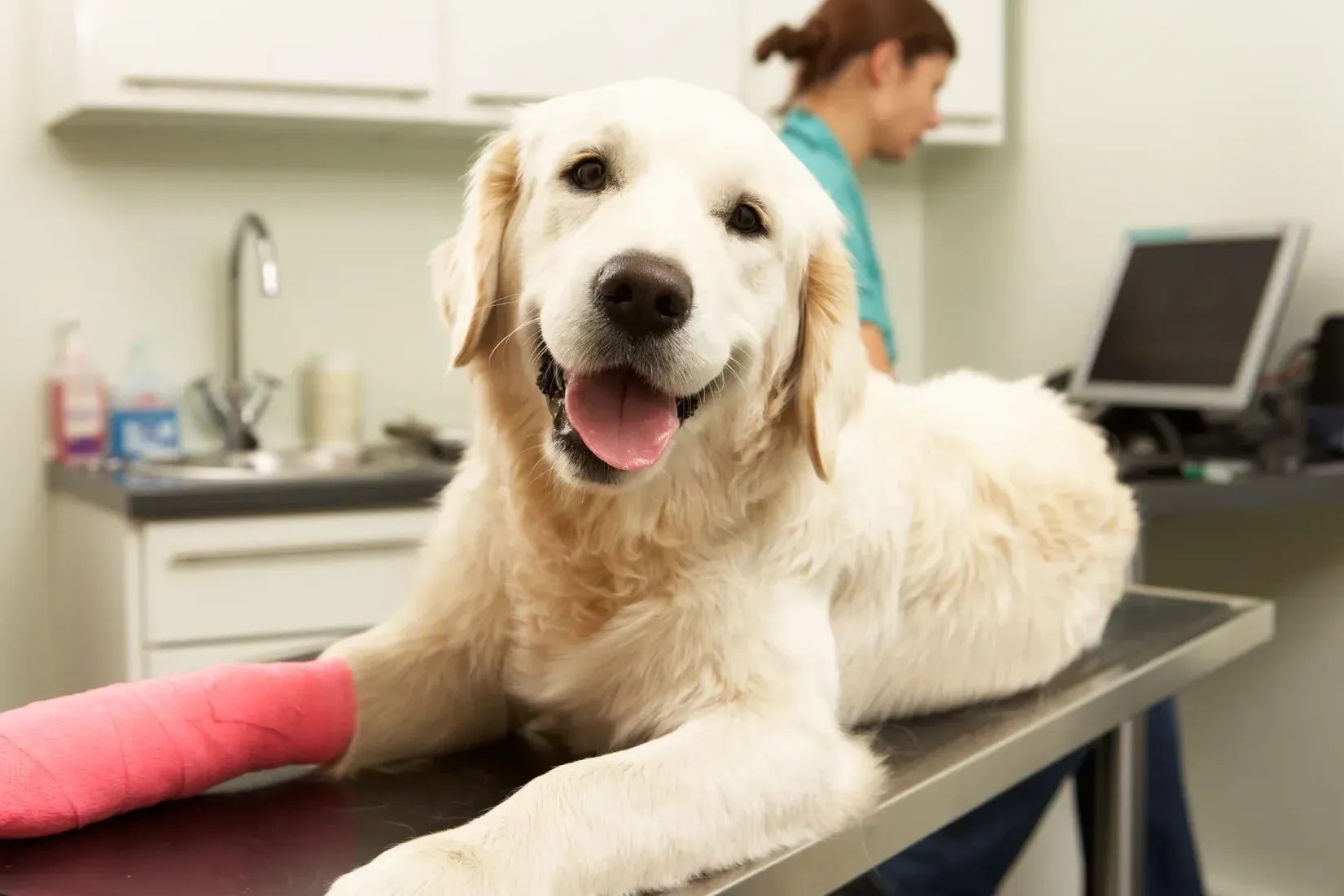
How Will My Surviving Dog React After the Loss? Signs of Grief and Coping
Dogs grieve in their own ways. Common signs include loss of appetite, lethargy, increased sleeping, searching for the companion, whining, or changes in bathroom habits. Some dogs become clingy, while others withdraw. These behaviors are normal and usually ease within a few weeks, but they can persist longer in deeply bonded pairs.
To support your surviving dog, maintain their routine as much as possible—same feeding times, walks, and play. Offer extra attention and gentle reassurance. Keep items that carry the deceased dog's scent, like a blanket or toy, as they can provide comfort. If grief seems severe or lasts more than a month, consult your vet or a pet grief counselor for guidance.
Remember, your own grief affects your dog—they pick up on your emotions. Allow yourself to mourn, and lean on support systems like friends, family, or local resources in Fremont. The ASPCA also offers resources on pet loss and grief.
How to Prepare Your Other Dog for the Loss: Steps to Take Before and After
- Assess the bond – Observe how your dogs interact. Are they inseparable or more independent? This helps you decide on presence and aftercare.
- Choose a quiet time – If possible, schedule the euthanasia when the surviving dog can be calm, perhaps after a walk or meal.
- Create a comforting environment – Before the appointment, let your surviving dog spend time with the dying dog in a familiar space. Allow sniffing and gentle interaction.
- Decide on presence – Based on your dog's temperament, choose whether they'll be present, see the body afterward, or stay home. Your vet can advise.
- Maintain routine – After the loss, keep feeding, walking, and playtimes consistent. This provides stability.
- Provide extra comfort – Offer a worn t-shirt with your scent, a new toy, or a cozy bed. Spend extra time together, and consider a pet grief counselor if needed.
What If Your Dogs Are Bonded? Special Considerations for Close Pairs
Bonded pairs—dogs that eat, sleep, and play together—face a higher risk of separation anxiety and depression after a loss. They may refuse food, become lethargic, or exhibit destructive behaviors. Here's how to help:
| Challenge | Signs | What to Do |
|---|---|---|
| Separation anxiety | Excessive barking, pacing, destructive chewing when left alone | Gradually increase alone time; provide puzzle toys; consider a pet sitter or dog daycare in Fremont. |
| Depression | Loss of interest in play, decreased appetite, excessive sleeping | Maintain routine, offer favorite activities, and consider consulting your vet about appetite stimulants if needed. |
| Searching behavior | Looking for the companion, waiting at the door, whining | Allow them to sniff the deceased dog's belongings; provide comfort items; redirect with play or training. |
| Clinginess | Following you everywhere, refusing to be alone | Gradually encourage independence with short separations; reward calm behavior. |
If your bonded dog shows severe signs like refusing to eat for more than two days, contact your vet. At Aborn Pet Hospital, we can offer guidance and, if necessary, recommend a pet grief counselor to help your dog through this transition.
For details on services and visits, see the main page about veterinarian fremont ca.
Directions to our veterinarian in Fremont, CA from NewPark Mall
Start at NewPark Mall and head to Aborn Pet Hospital at 40951 Grimmer Blvd, Fremont, CA 94538.
Sources
Frequently asked questions
Should I let my other dog see the body after euthanasia?
Many veterinarians recommend letting the surviving dog see the body, as it can help them understand the companion is gone and reduce searching behavior. Allow them to sniff and observe at their own pace, but don't force interaction if they seem distressed.
How long does a dog grieve after losing a companion?
Grief duration varies. Most dogs show signs for a few weeks, but some may take months, especially if they were deeply bonded. If symptoms persist or worsen, consult your vet or a pet grief counselor for support.
Can I get another dog to help my surviving dog?
Introducing a new dog too soon can add stress. Wait until your surviving dog has adjusted to the loss, typically a few months. When you're ready, consider a gradual introduction and consult your vet for advice.
What if my surviving dog stops eating?
Loss of appetite is common but should not last more than a day or two. Offer tempting foods like boiled chicken or wet food. If they refuse to eat for over 48 hours, contact your vet to rule out medical issues.
Also asked as
- Should my other dog be present during euthanasia?
- How do I help my surviving dog cope with the loss?
- What happens to the surviving dog when its companion dies?