
Questions
Is There a Downside to Neutering a Cat? Honest Pros & Cons
Yes, neutering has potential downsides like weight gain and rare surgical risks, but the benefits—longer life, less roaming, and lower cancer risk—usually outweigh them. Your vet can help you weigh the specifics for your cat.
Neutering health risks vs. benefits: what the science says
The short answer: neutering is one of the most common and safe surgeries we perform, and the long-term health benefits usually outweigh the risks. But it's not zero-risk, and knowing the specifics helps you make an informed choice.
| Aspect | Benefits | Risks / Downsides |
|---|---|---|
| Lifespan | Neutered male cats live on average 62% longer than un-neutered ones, per studies. | None directly; longevity is a major plus. |
| Cancer risk | Eliminates testicular cancer risk; reduces prostate issues. | No increased cancer risk from neutering itself. |
| Infections | Prevents pyometra in females (if spayed), a life-threatening uterine infection. | Rare surgical site infections, manageable with antibiotics. |
| Joints | No direct benefit. | Early sterilization (before 6 months) may slightly increase risk of hip dysplasia or cruciate ligament issues in some large breeds; less clear in cats. |
| Anesthesia | Routine, low-risk in healthy cats. | Rare complications: anesthesia reactions, bleeding, or infection. |
At Aborn Pet Hospital in Fremont, we've seen thousands of neuters since 1987. Complications are rare, and we screen every cat before surgery to minimize risk.
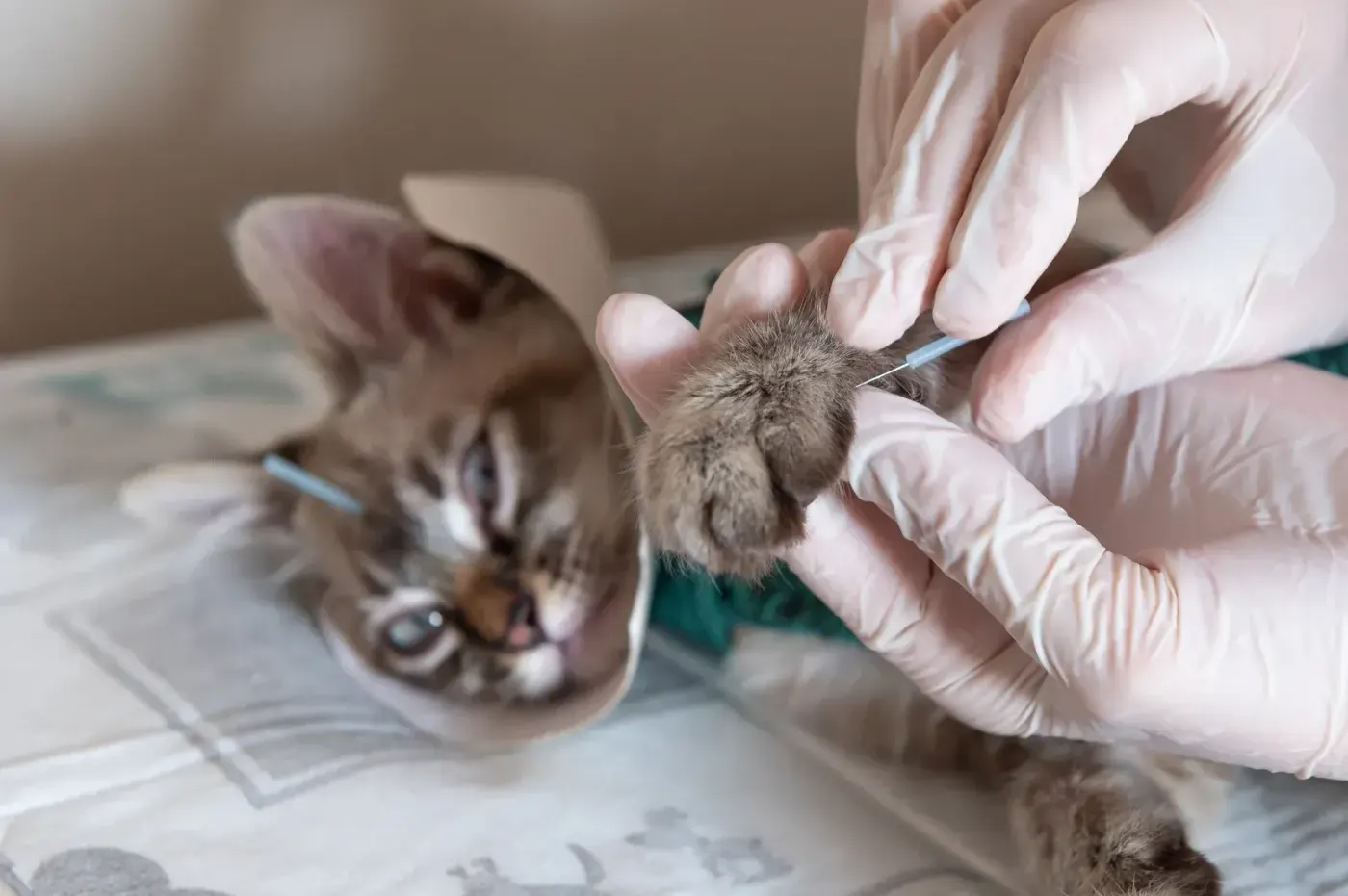

Is there a downside to neutering a cat? The honest risks and trade-offs
Yes, there are real downsides, but most are manageable. Here's the honest list of what you might notice after neutering.
| Downside | What happens | How to manage |
|---|---|---|
| Weight gain | Neutered cats have lower metabolism and may gain weight rapidly if overfed. | Adjust portions, use puzzle feeders, encourage play. |
| Surgical risks | Anesthesia complications, infection, or adverse reactions are rare but possible. | Choose a vet with monitoring equipment; follow aftercare. |
| Growth plate concerns | Early neutering may delay growth plate closure, potentially affecting bone length. | Discuss timing with your vet; for most cats, the effect is minimal. |
| Behavior changes | Some cats become calmer, but personality rarely changes drastically. | Expect less roaming and marking; keep enrichment to avoid boredom. |
| Scrotal hematoma | Swelling or bruising at the surgical site, usually resolves on its own. | Rest and monitor; call us if swelling worsens. |
These trade-offs are typically minor compared to the benefits of preventing unwanted litters and reducing health risks later in life.
Neutering pros and cons: does the good outweigh the bad?
For most cat owners, the pros clearly outweigh the cons. Here's a side-by-side comparison to help you decide.
| Pros | Cons |
|---|---|
| Longer lifespan (up to 62% longer in males) | Possible weight gain |
| Reduced roaming, marking, and aggression | Rare surgical complications |
| Eliminates testicular cancer risk | Early neutering may slightly affect joint development |
| Prevents pyometra in females (if spayed) | Cost of surgery (varies, but often offset by savings on future health issues) |
| Helps control cat overpopulation in Fremont and beyond | Requires anesthesia and recovery time |
If you're still unsure, consider your cat's lifestyle and your ability to manage an intact cat. We're happy to discuss your specific situation during a visit.
What's the healthiest age to neuter a cat? Timing matters
The ideal age varies, but most vets recommend neutering between 4 and 6 months, before sexual maturity. Here's how to decide:
A good fit if…
- Your cat is 4–6 months old – This is the sweet spot: old enough for anesthesia, young enough to prevent unwanted behaviors.
- You want to avoid marking and roaming – Neutering before maturity reduces these behaviors.
- You're adopting from a shelter – Many shelters neuter early (8–12 weeks); this is safe and common.
Consider another option if…
- Your cat is a large breed – Some large breeds may benefit from waiting until 9–12 months to allow joint development, though this is less studied in cats.
- Your cat has health issues – Discuss with your vet; anesthesia risks may change timing.
Is 2 years old too late? No – neutering an adult cat is still beneficial for reducing roaming and marking, and it's never too late to prevent testicular cancer.
Directions to our veterinarian in Fremont, CA from Newark Memorial High School
Start at Newark Memorial High School and head to Aborn Pet Hospital at 40951 Grimmer Blvd, Fremont, CA 94538.
Does neutering change a cat's personality? Behavior effects explained
Neutering typically reduces testosterone-driven behaviors like roaming, urine marking, and fighting with other males. Most cats become calmer and more affectionate, but their basic personality – whether they're shy, bold, or playful – usually stays the same.
You might notice less aggression toward other cats and a reduced urge to escape. However, neutering won't fix behavioral issues that are learned or anxiety-based. If your cat is already spraying, neutering often stops it within weeks, but it's not guaranteed.
In short: neutering changes behaviors linked to hormones, not the core cat you know.
Is neutering a cat cruel? Ethical and religious considerations
It's normal to have ethical or religious questions about neutering. Here's a balanced view:
A good fit if…
- You prioritize population control – Neutering prevents thousands of unwanted kittens each year.
- You want to reduce suffering – It lowers risks of certain cancers and infections.
- Your faith allows it for health reasons – Many Islamic scholars permit neutering if it benefits the animal's health; consult your religious authority.
Consider another option if…
- You have strong personal or religious objections – Discuss with your vet; we respect your beliefs and can offer alternatives like supervised outdoor access.
- You're worried about regret – Talk to other cat owners or our team; most don't regret it.
Ultimately, neutering is a routine medical procedure aimed at improving your cat's health and welfare. We're here to answer your specific concerns.
Cat neutering recovery: what to expect and how to help
- Pre-op prep – Withhold food after midnight before surgery; water is usually allowed until morning.
- Day of surgery – Drop off your cat at Aborn Pet Hospital; we'll do a quick exam and answer last-minute questions.
- Recovery at home – Keep your cat indoors, quiet, and away from stairs for 24–48 hours.
- Incision care – Check the site daily for redness, swelling, or discharge; prevent licking with an E-collar if needed.
- Follow-up – Most cats are back to normal in 3–5 days; call us if you notice anything concerning.
Cat neutering cost: what to expect at Aborn Pet Hospital
Costs vary based on your cat's age, weight, and any pre-existing health conditions. At Aborn Pet Hospital, we provide a detailed quote before surgery—no surprises.
| Factor | Why it matters | Typical range (general) |
|---|---|---|
| Age & weight | Older or heavier cats may need more anesthesia and monitoring. | Varies; quote provided |
| Pre-op bloodwork | Recommended for cats over 7 or with health issues to reduce anesthesia risk. | Additional cost, varies |
| Pain medication | Included in most packages; essential for comfort. | Often included |
| E-collar | Prevents licking; may be extra. | Small fee |
| Location | Urban areas like Fremont may have higher overhead. | Varies by clinic |
We accept credit cards, cash, and CareCredit. Call us at (510) 656-0223 for a current estimate tailored to your cat.
For details on services and visits, see the main page about veterinarian fremont ca.
Sources
Frequently asked questions
Is it cruel to not neuter your cat?
Not necessarily, but it can lead to health and behavior issues like roaming, fighting, and unwanted litters. Neutering is a routine procedure that prevents these problems and is widely considered humane.
Are male cats happier after neutering?
Most male cats are just as happy, if not more, after neutering. They lose the urge to roam and fight, which reduces stress and injuries. Their personality usually stays the same.
Is it better to neuter a cat or not?
For most cats, neutering is better. It reduces health risks, improves behavior, and prevents overpopulation. The downsides—weight gain and rare surgical risks—are manageable with proper care.
Do male cats get bigger if not neutered?
Intact male cats may develop larger cheeks (stud jowls) and a more muscular build due to testosterone. Neutered cats may gain weight if overfed, but their frame is largely genetic.
Also asked as
- What are the negatives of neutering a cat?
- Should I neuter my cat? Pros and cons
- Are there health risks to neutering a cat?