
Questions
Why Is My Dog Panting and Restless at Night? Fremont Vet Answers
Nighttime panting and restlessness in dogs can stem from heat, anxiety, pain, or medical issues like Cushing's disease. If your dog can't settle and shows other symptoms, contact Aborn Pet Hospital in Fremont for guidance.
Common Reasons for Nighttime Panting and Restlessness in Dogs
When your dog pants and can't settle at night, it's a signal something is off. Here's what could be behind it.
| Cause | What it looks like | Why it happens | What to watch for |
|---|---|---|---|
| Heat or overheating | Heavy open-mouth breathing, seeking cool surfaces | Room too warm, lack of airflow, or heavy bedding | Excessive drooling, red gums, weakness |
| Anxiety or stress | Pacing, whining, clinginess, unable to lie down | Noise, separation, changes in routine, new environment | Ears back, tucked tail, dilated pupils |
| Pain (arthritis, injury) | Shifting positions, reluctance to move, panting with effort | Joint pain, dental pain, or internal discomfort | Limping, flinching when touched, reduced appetite |
| Cushing's disease | Increased thirst, urination, and panting, pot-bellied appearance | Overactive adrenal glands producing excess cortisol | Hair loss, thin skin, lethargy |
| Canine cognitive dysfunction | Wandering, disorientation, altered sleep-wake cycles | Age-related brain changes in senior dogs | Staring at walls, forgetting commands, night vocalization |
| Respiratory or heart issues | Rapid, shallow breathing; coughing; bluish gums | Fluid buildup or reduced oxygen exchange | Exercise intolerance, fainting, weakness |
| Medication side effects | Panting shortly after giving a dose | Steroids or other drugs can increase breathing rate | Timing linked to medication |
If you're unsure, note the behavior and check for other signs. Our team at Aborn Pet Hospital in Fremont can help you sort it out.
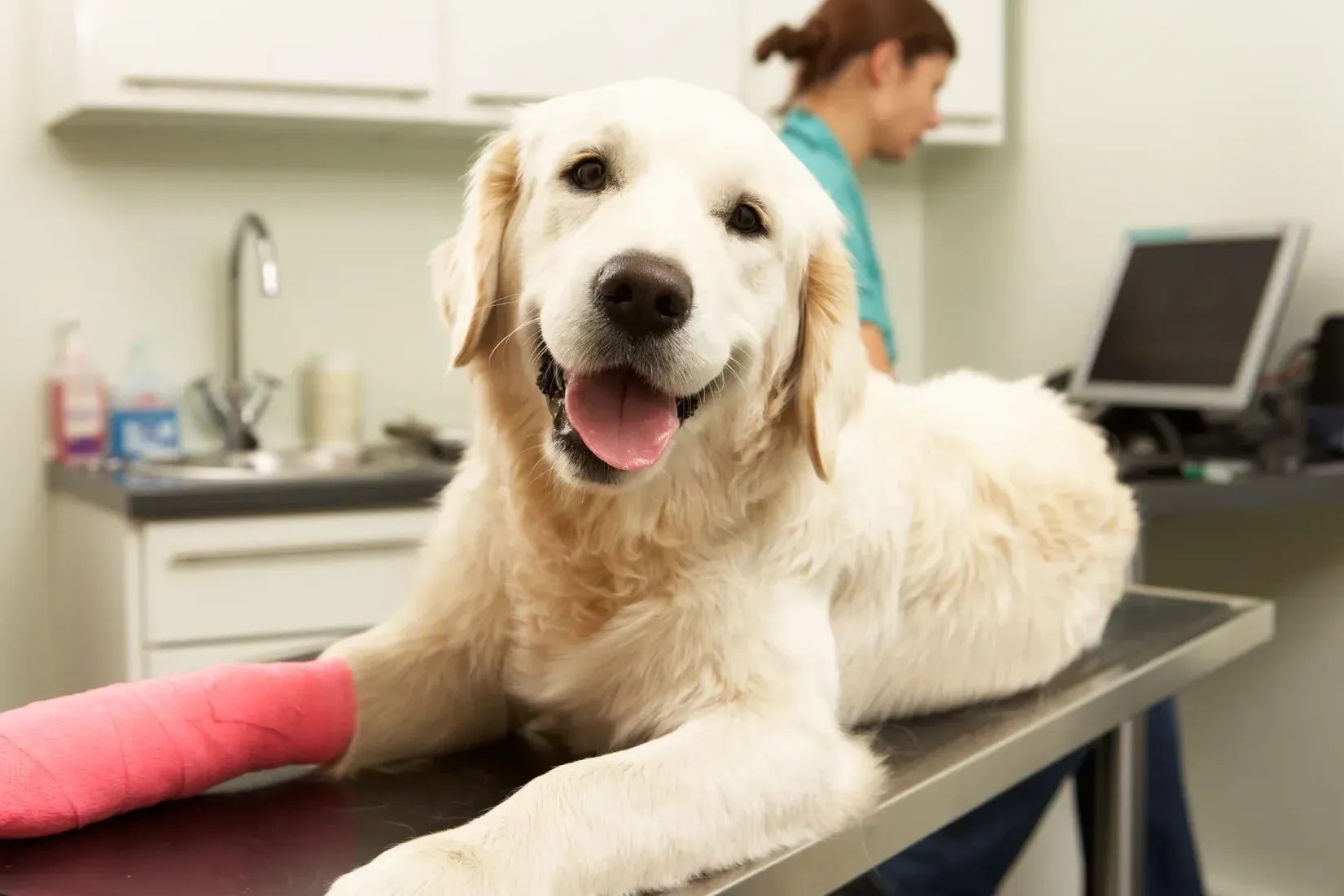
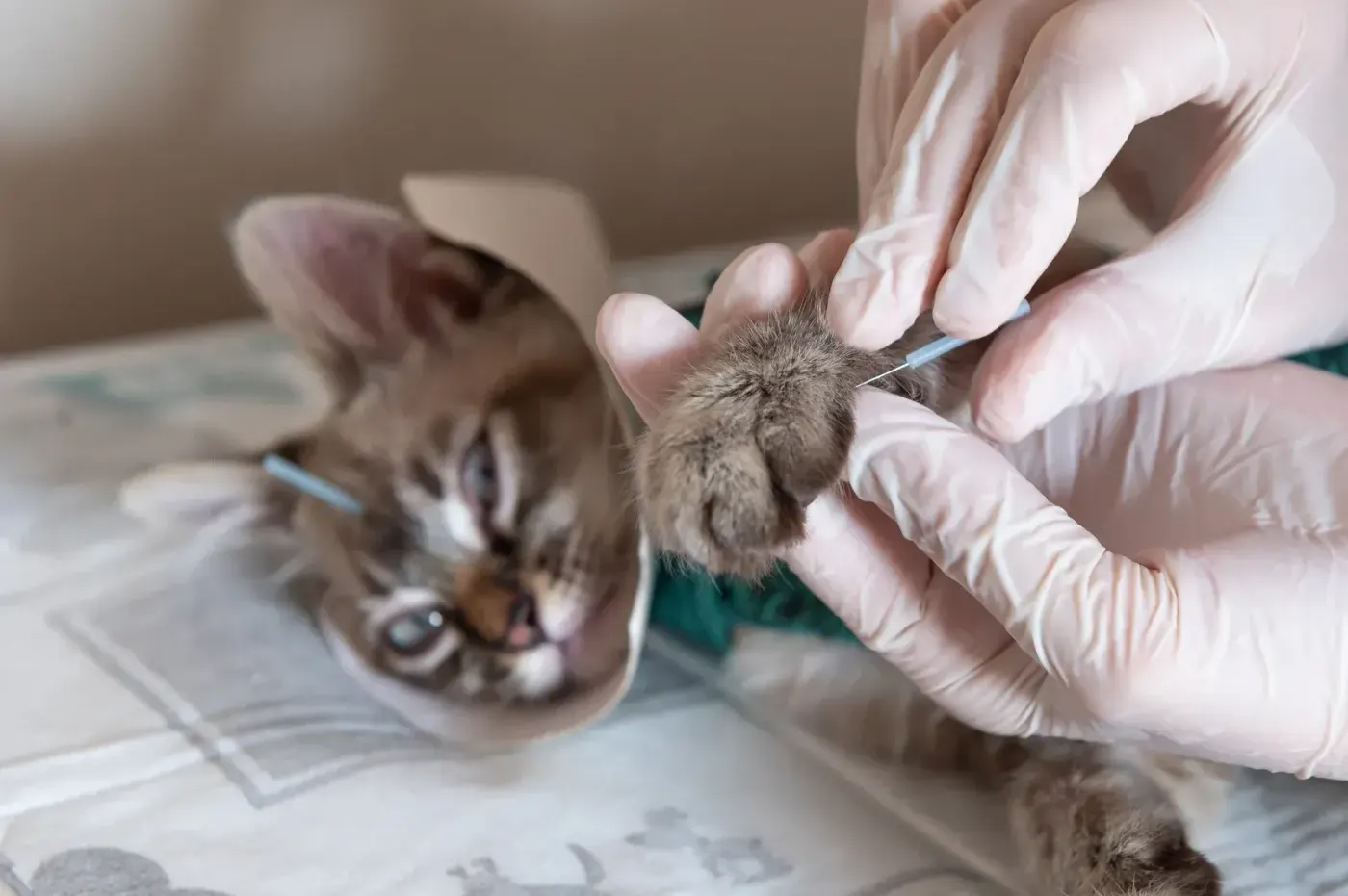
Panting vs. Pain: How to Tell the Difference
Separating anxiety from pain is key to deciding next steps. Here's a practical comparison.
| Clue | Anxiety | Pain |
|---|---|---|
| Body posture | Low, tucked tail, ears back | Stiff, hunched, guarding a limb or belly |
| Response to comfort | Calms with petting or your presence | May flinch, growl, or avoid touch |
| Movement | Pacing aimlessly | Reluctant to move, slow to stand, limping |
| Appetite | Usually normal or slightly reduced | Often decreased or refuses food |
| Vocalization | Whining, whimpering | Yelping, crying, or silent with tense face |
| Sleep pattern | Restless but can settle briefly | Frequent position changes, unable to find comfort |
Use this as a guide, not a diagnosis. If you see pain signs, call us—early treatment prevents worsening. For deeper insight, see our page on how to know if your dog is in pain.
Immediate Steps to Help Your Restless Dog Tonight
- Cool the room—Lower the thermostat, open a window, or point a fan at your dog. Offer a cool, damp towel to lie on.
- Provide fresh water—Ensure a bowl is full and accessible. Dehydration can worsen panting.
- Create a calm zone—Dim lights, reduce noise, and stay close. A familiar blanket or gentle music can help.
- Try a gentle massage—Slow strokes along the back and shoulders can lower stress. Avoid touching painful areas.
- Check for obvious issues—Look for swelling, wounds, or foreign objects. If you find something, call us.
- Call Aborn Pet Hospital—If panting continues or worsens, phone (510) 656-0223. We'll advise whether to bring your dog in.
When to Schedule a Vet Appointment in Fremont
A good fit if…
- Your dog has panting and restlessness for more than one night.
- You notice pain signs, appetite loss, vomiting, or weakness.
- Your dog is senior or has a known condition like Cushing's disease.
- You're unsure and want peace of mind.
Consider another option if…
- It's a single episode after exercise or a hot day, and your dog settles quickly.
- Your dog responds to cooling and comfort within 30 minutes.
- You suspect mild anxiety from a known trigger (e.g., fireworks) and it resolves.
If symptoms persist, don't wait. Aborn Pet Hospital is at 40951 Grimmer Blvd, Fremont, CA 94538, open Mon–Fri 8 AM–6 PM and Sat 8 AM–5 PM. New clients get a free first exam—call (510) 656-0223 to book. For after-hours emergencies, see our guide on pet emergencies after hours in Fremont.
For details on services and visits, see the main page about veterinarian fremont ca.
Directions to our veterinarian in Fremont, CA from Washington College
Start at Washington College and head to Aborn Pet Hospital at 40951 Grimmer Blvd, Fremont, CA 94538.
Sources
Frequently asked questions
Can my dog pant at night due to old age?
Yes, senior dogs may pant due to arthritis pain, cognitive dysfunction, or heart issues. If it's new or persistent, a vet check helps rule out treatable causes.
How long should I wait before calling the vet?
If your dog doesn't settle within 30–60 minutes after cooling and comfort, or if you see pain signs, call Aborn Pet Hospital immediately. Better safe than sorry.
What if my dog is panting and restless but still eating and drinking?
That's reassuring, but it doesn't rule out medical issues. Monitor for 24 hours; if it continues, schedule an appointment. Our team can help identify the cause.
Also asked as
- Why is my dog panting and pacing at night?
- Is my dog in pain if panting at night?
- What can I do for my restless dog tonight?